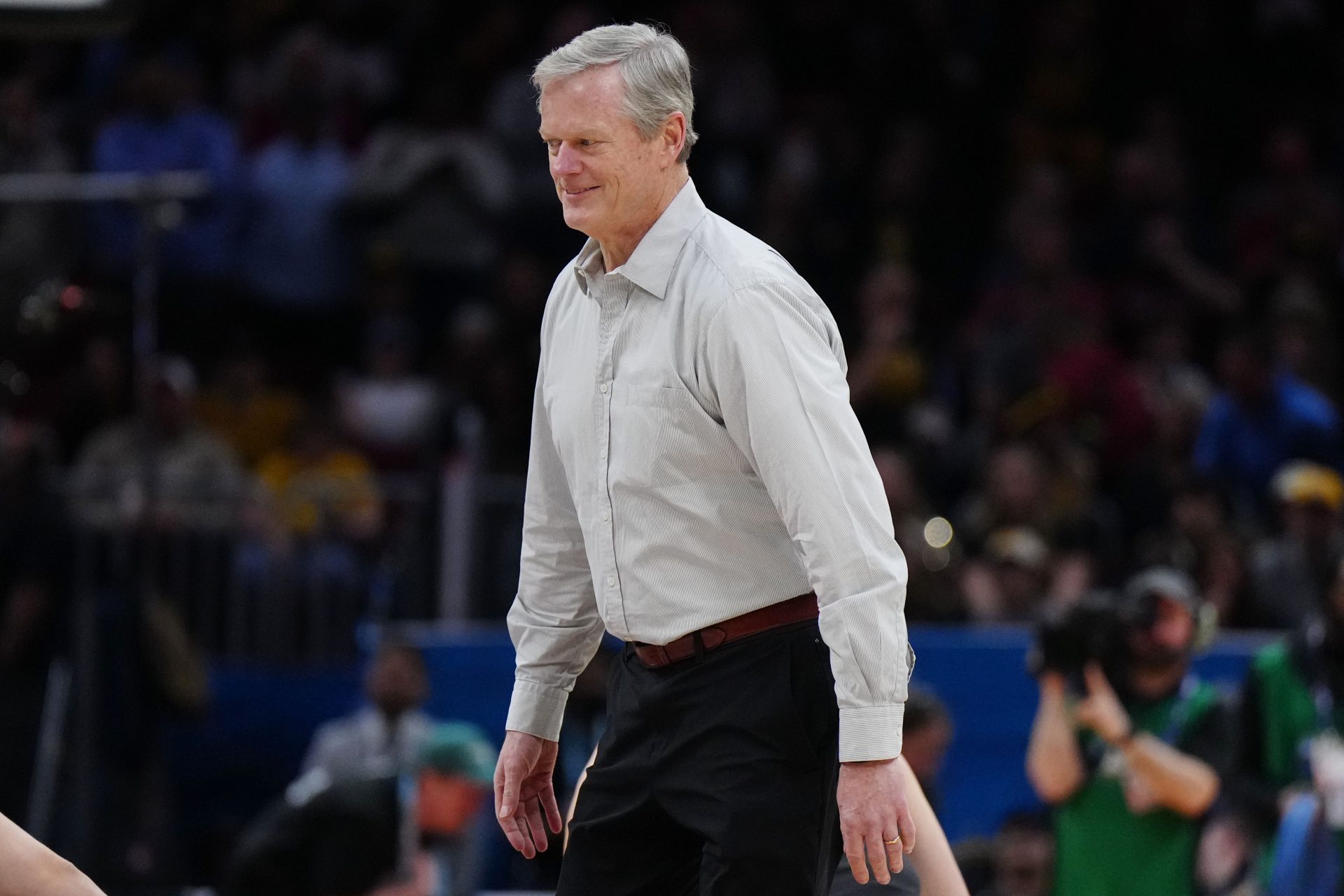
The Big Ten has requested a “moratorium” on investigations related to tampering in a letter sent to the NCAA president, Charlie Baker. The conference also pushed for broader rule changes, arguing that the existing guidelines are “designed for a world that no longer exists.”
The letter states that the House settlement, which ushered in the revenue-sharing era in college athletics, has made the current rules difficult to apply. The Big Ten argued that enforcement has become increasingly complicated under the new landscape.
The letter called for an immediate halt to the enforcement of NCAA bylaw 13.1.1.4, which bars schools from contacting athletes at another program without permission. The conference further argued that restrictions on “pre-portal communication” force athletes to take risks when entering the transfer portal.
According to the Big Ten, the rule highlights broader flaws in the current structure of college athletics.
“The fundamental structural problem is this: the current framework has chosen to impose significant negative consequences on student-athletes who enter the transfer portal – loss of scholarships, NIL arrangements, facilities access, academic support, and relationships with coaches – while simultaneously prohibiting the pre-portal communication that would allow those student-athletes to determine whether risking those consequences is worthwhile,” the letter read.
Connor Stalions had a four-word response to the screenshot of the letter posted on X by ESPN’s Pete Thamel.
“Hmm. I wonder why,” he wrote.
The letter argued that the rules designed are no longer the right fit for the current world of student-athletes. The argument is that the collision between the old rules and the new reality is creating problems that they were originally meant to solve.
What the Letter Demands from Charlie Baker
The Big Ten argued that two steps should occur at the same time. First, enforcement of NCAA Bylaw 13.1.1.4 should be paused immediately under the current framework, along with the tolling agreement referenced earlier.
Second, the conference said NCAA members should work together to craft a new policy strategy that reflects the modern environment. A key objective, according to the Big Ten, should be establishing realistic and enforceable boundaries for communication between programs and athletes.
“The system of college sports is under tremendous stress, both internally and externally. Systems adapt or they break. The moratorium is not an abdication of responsibility. It is the responsible course-the recognition that rules built for one era cannot govern another, and that the membership deserves the opportunity to build a framework suited to the world as it actually exists.”
As per the Big Ten, the collaborative and membership-driven approach is the best solution to the problem at hand, and they need the NCAA’s support to implement it.
Read More:
Travis Turner Update: FBI Still In Search Of Virginia High School Coach Amid Arrest Warrants
College Sports Network has you covered with the latest news, analysis, insights, and trending stories in college football, men’s college basketball, women’s college basketball, and college baseball!
