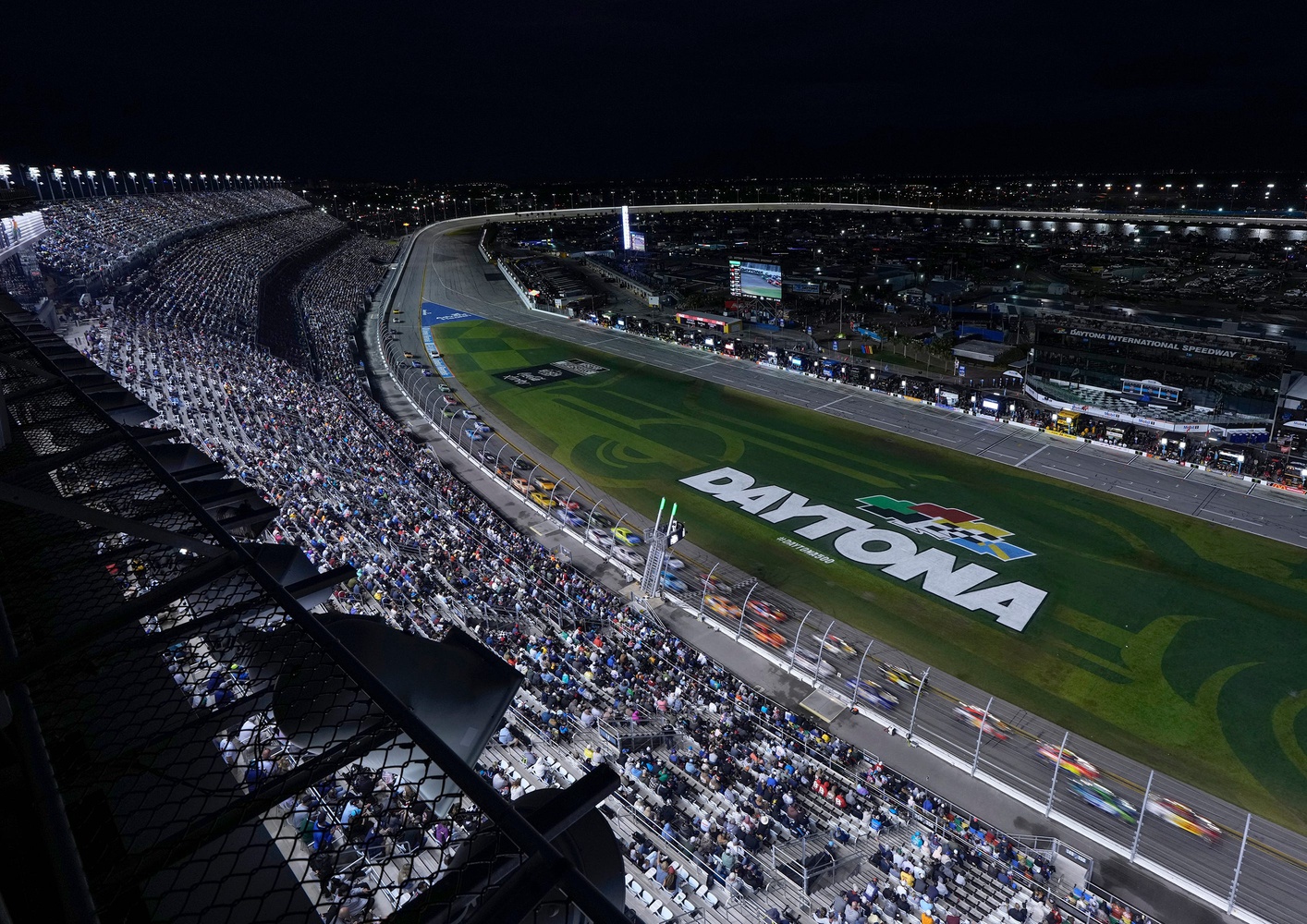
NASCAR is set to start the new season next week with major changes in the charter system, the championship format, Daytona 500 qualifying, technical packages, competition rules and more.
After the 2025 season ended in November, the sanctioning body settled the long running charter dispute with two NASCAR Cup teams and rewrote parts of its competition rules. It also brought back the old ‘Chase’ championship format and made multiples changes to the rule book, including changes to how the Daytona 500 field is set.
Technical And Rule Book Updates
NASCAR finalized technical updates to the 2026 rule book in mid-November. The updates formalized a higher horsepower package of a 750 target for road courses and ovals under 1.5 miles, up from the previous 670 level. Officials also confirmed an A-post flap rule and adjustments to track specific packages.
Fastest laps count clarification, penalties for missing lug nuts in the O’Reilly and Truck Series, and lowered age limits for junior series competition were also part of the updates. The minimum age to race at certain tracks in the O’Reilly Series is now 17, and Cup drivers can enter more races in lower series with some restrictions.
Charter System Changes
The next development came from the legal fight over charters. And, in December 2025, NASCAR and the teams reached a settlement that allowed for ‘evergreen’ charters that do not expire on a set date.
That ended the old system where charters would lapse and opened the door for more security and long-term planning for team owners.
Return Of The Chase Format
NASCAR then announced the return of ‘The Chase’ as the championship format for the Cup Series, the O’Reilly Auto Parts Series and the Craftsman Truck Series. The points based 10-race postseason will see 16 Cup drivers qualify for The Chase based on points earned during the regular season, with the top regular season driver receiving a 25-point lead to start the Chase.
Wins are more valuable too, as race winners now earn 55 points instead of the previous 40. The championship goes to the driver with the most points after the final Chase event.
Daytona 500 Qualifying Changes
The Daytona 500 will also see a revised qualifying procedure for open teams. The non-chartered entries will now take single-car qualifying laps, and the two fastest open cars automatically lock into the race.
Those two locks are exempt from the Duel qualifying races, which also leaves fewer transfer spots available and makes it harder for independent teams to qualify.
Superspeedway Competition Rules
NASCAR has also closed the loophole through which teams used to gain small aerodynamic advantages. It has barred drivers from manipulating aero devices by hand during qualifying laps for safety reasons at superspeedways.
The new changes and modifications will begin at the Daytona International Speedway this week.
Read More:
What changes has NASCAR made to Daytona 500 qualifying in 2026?
2026 Daytona 500 weather forecast: Is there a threat of rain at NASCAR’s season opener?
College Sports Network has you covered with the latest news, analysis, insights, and trending stories in college football, men’s college basketball, women’s college basketball, and college baseball!
