
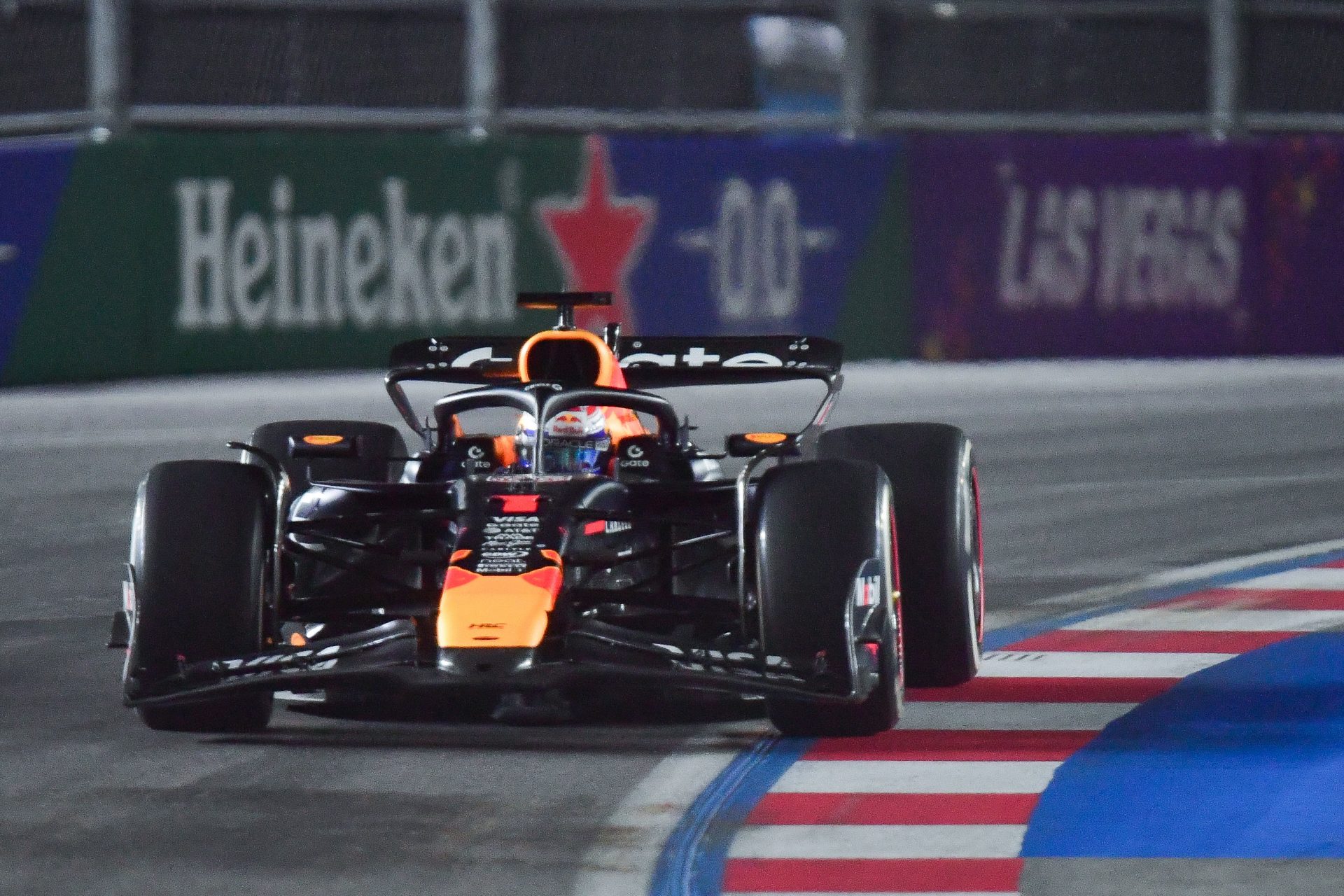
Over the past few years, F1 has grown to become one of the most popular names in global sport. Even people who do not follow motorsport closely know what it means and what an F1 car looks like, with normal associations with speed and glamor. But while the racing itself is easy to understand most times, the name of the sport often raises a simple question, why exactly is it called Formula 1?
F1 as a name is much more unique when compared to other sports. The name does not refer to a place, a founder or even a specific type of equipment used, in this instance the vehicle. Instead, it comes from a concept rooted in rules, structure and hierarchy.
Long before F1 became a worldwide entertainment phenomenon, its name was tied closely to how racing categories were organized in Europe, the hub of the sport.
To understand the origins of the sport’s name, it helps to go back to the period following World War 2, when international motorsport was being rebuilt. At the time, there was a growing need to create clear regulations that could bring teams, manufacturers and drivers together under a unified framework.
Those regulations would go on to define the sport we now know. So let’s discover why F1 is called Formula 1.
Discovering Why F1 is Called Formula 1
Simply put, the word “Formula” here refers to a set of rules. In motorsport, a formula defines the technical regulations that cars must follow, covering aspects such as engine size, weight, dimensions, aerodynamics, safety requirements etc. Rather than allowing unrestricted design, these formulas ensure that teams compete on a relatively level playing field, similar to a rulebook in any other sport.
Multiple formulas existed when international single-seater racing was formalized in the late 1940s, with each representing a different level of competitiveness in a way. Formula 1 was simply the top tier of these categories. The “1” does not mean that it was the first ever created, but that it sat at the highest level of the hierarchy.
Below it sit categories like Formula 2 and Formula 3, which were designed to be slower and more accessible. This structure allowed drivers to progress through the ranks, while manufacturers and teams could compete according to their resources.
Today, the lower categories essentially work as a playground for up and coming drivers to improve their game before making a leap into the big leagues, if they are good enough.
But it is also important to note that the lower categories haven’t always been called Formula 2 or Formula 3. Formula 2, for example, has had numerous names over the years, including GP2 and Formula 3000, before it returned back the name F2 in 2017.
The History of “Formula 1”
Returning to F1, the first official Formula 1 World Championship took place in 1950, giving the sport its modern identity. From that point on, Formula 1 became synonymous with the pinnacle of open-wheel racing, governed by technical and sporting rules set by the FIA and that have evolved over time.
What separates Formula 1 from other racing categories is not just speed, but freedom within the bounds of the law. While the formula sets boundaries, teams are still allowed significant room for innovation. This balance has turned F1 into a technical arms race, where engineers push regulations to their limits in search of performance gains.
Unlike F2 or even IndyCar, F1 teams have broad freedom to develop and improve performance across multiple areas of their cars, while F2 and IndyCar operate as spec series using a standardized chassis.
But over the decades, F1’s rules have changed repeatedly. Engine regulations, aerodynamic concepts and safety standards have all evolved, yet the principle behind the name has remained constant. It is still a formula, which means a carefully defined set of rules, and it is still number one in terms of hierarchy.
The term Formula 1 has also helped preserve a clear identity for the sport. Even as new championships have emerged around the world, the name continues to signal “elite” status. Winning in F1 is hence often considered reaching the pinnacle of motorsports.
Today, F1 has moved on massively from its early post-war roots, even though Europe still remains the center for the sport in many ways. The current championship features hybrid power units, advanced aerodynamics and even strict financial regulations, all governed by the FIA. But the meaning behind its name is still relevant in modern times.
Every generation of F1 cars is also naturally shaped by a different formula, meaning drivers and teams succeed under unique conditions. this is why comparisons between eras are so difficult to take at face value.
What remains unchanged is the idea that F1 represents the highest level achievable in motorsports, at least in the minds of the people. The name seemingly validates this theory, even though there is no official document within the motorsport community that places F1 at the top of the food chain.
College Sports Network has you covered with the latest news, analysis, insights, and trending stories in college football, men’s college basketball, women’s college basketball, and college baseball!
